- 302-539-1839
- Hours: Mon-Sat 9am-5pm, Sun 10am-3pm
Gardening along the coast comes with its own unique challenges—sandy soils, salt air, changing weather, and periods of drought or heavy rain. That’s why we’re such strong believers in planting native. Native plants are naturally adapted to our Delmarva environment, making them easier to grow, lower maintenance, and incredibly valuable for pollinators and wildlife.
As you plan your spring gardening and landscaping, here are five of our favorite plants native to Delmarva that consistently perform well in coastal gardens while adding beauty and ecological benefits.
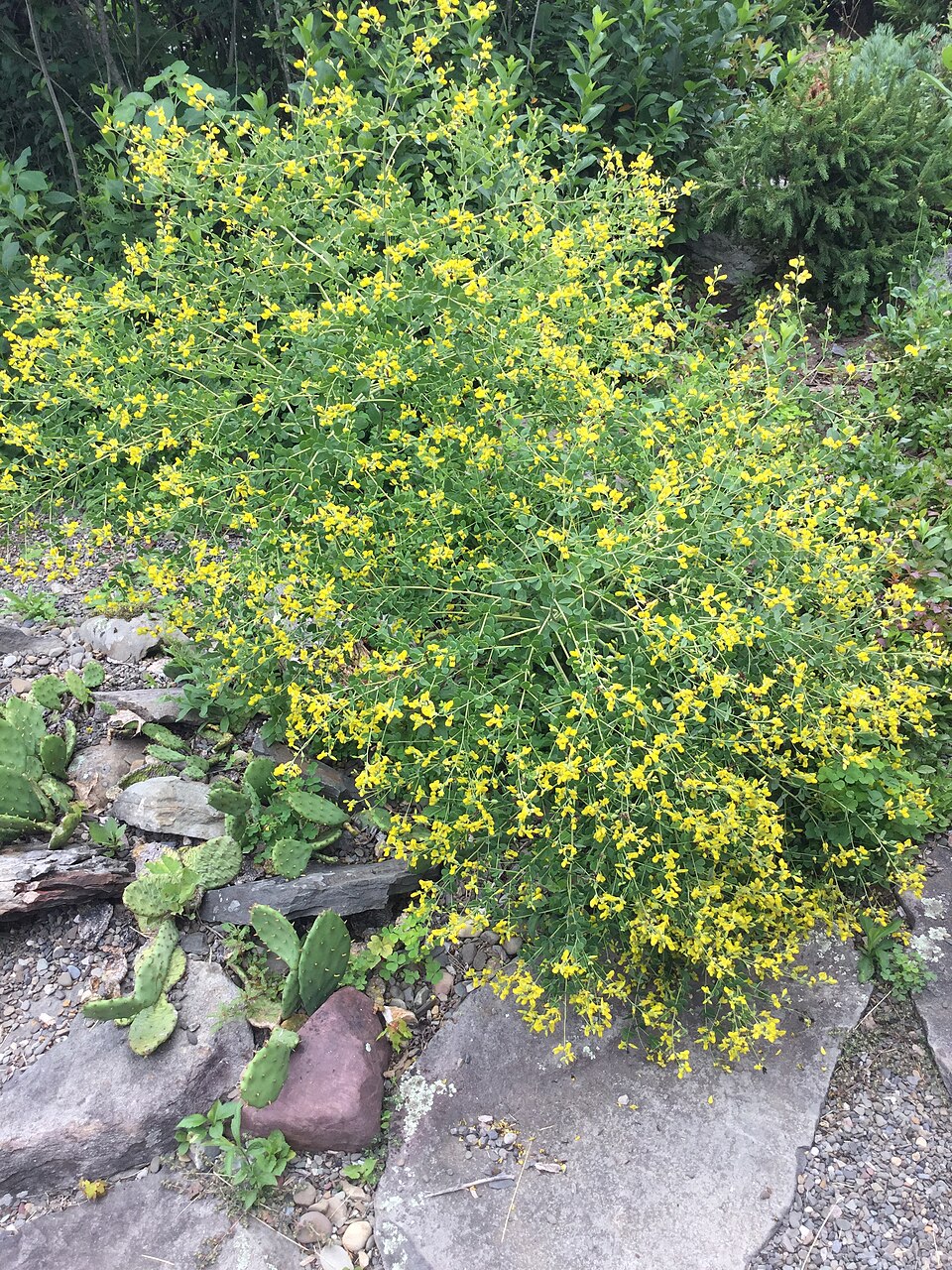
Wild Yellow Indigo is a fantastic long-term investment in your garden. While it takes a little time to get established, it rewards patience with bright yellow blooms from May through June. Its dainty foliage adds texture, and pollinators absolutely love it. This plant thrives in full sun to part shade and reaches about 2–3 feet tall.
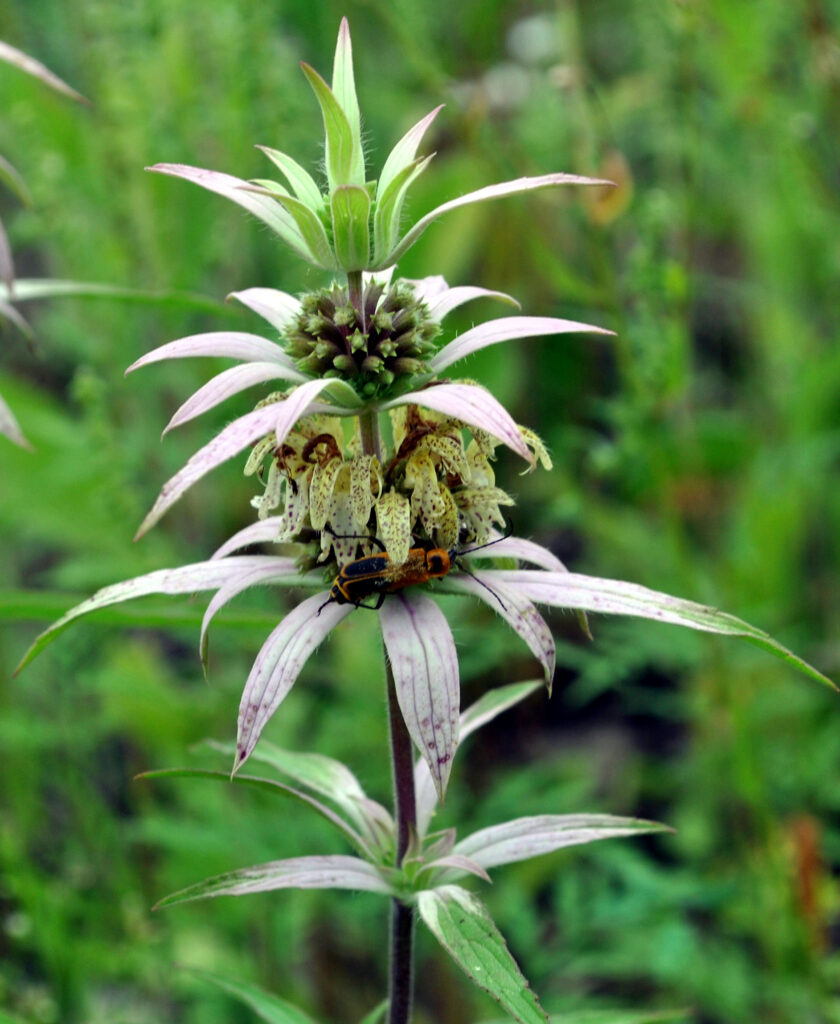
Spotted Beebalm is a standout native with a unique look and a wonderfully fragrant presence. Known for its drought tolerance once established, it grows well in partial to full sun and reaches 2–3 feet tall. It’s a favorite in pollinator gardens and meadow plantings, attracting bees, butterflies, and beneficial insects throughout the season.
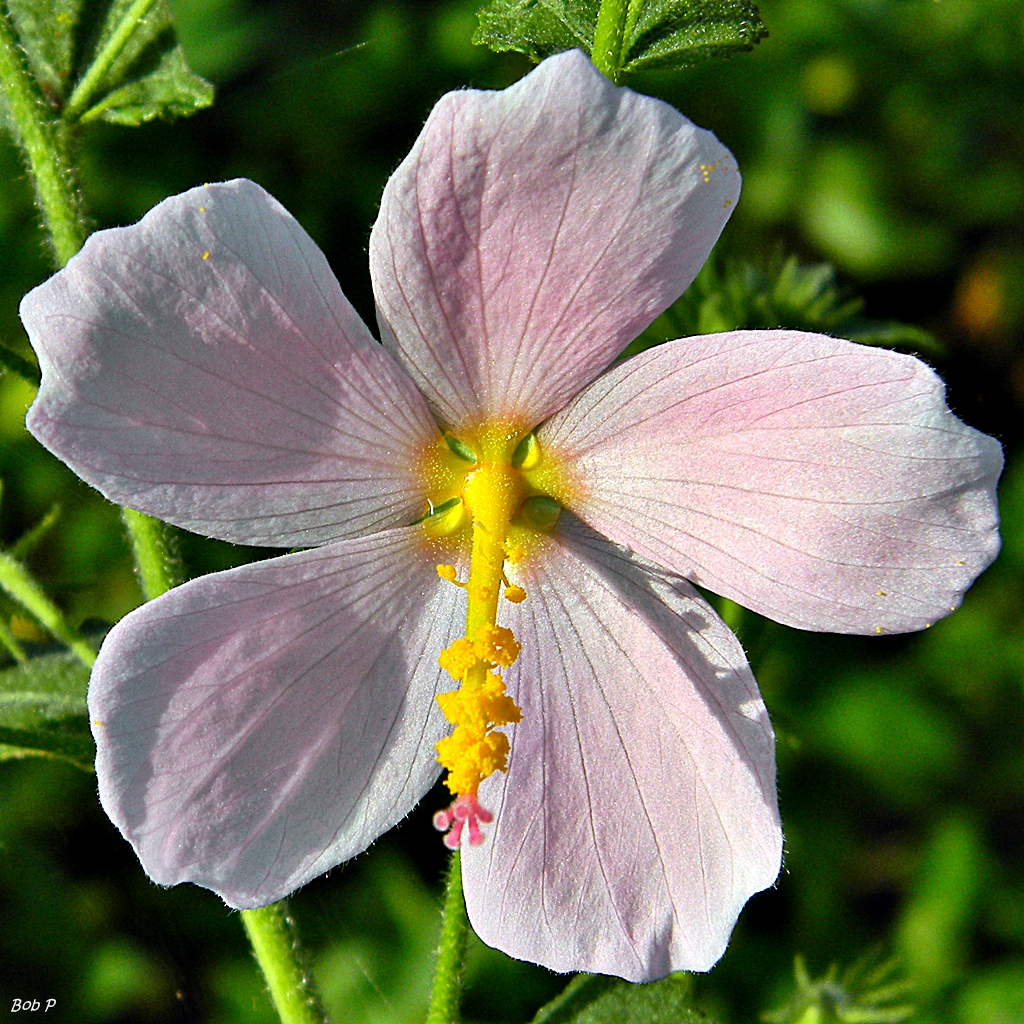
If you’re looking for bold blooms, Saltmarsh Mallow delivers. Its pink and yellow, hibiscus-like flowers bloom from June through September and make a big visual impact. While it performs best in moist or wet soils, it’s surprisingly adaptable and can thrive in drier conditions as well. This sun-loving native typically grows 3–4 feet tall.
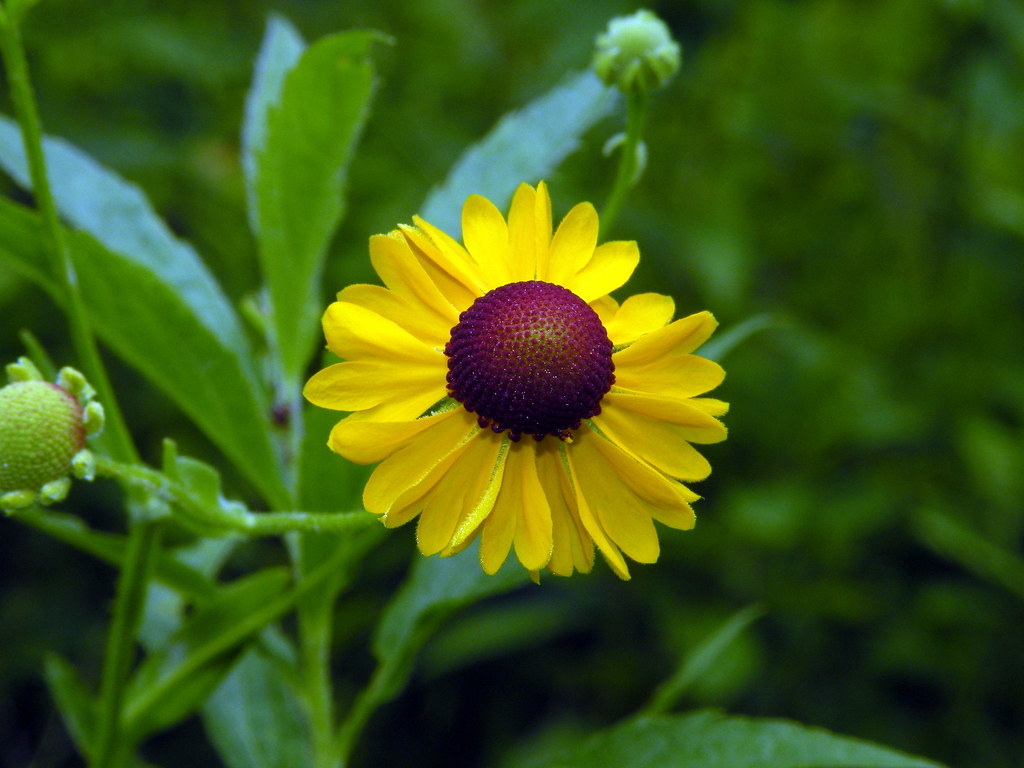
Purple-Headed Sneezeweed is an ecological powerhouse. It provides nectar and pollen for bees, butterflies, flies, and wasps—and also serves as a host plant for caterpillars, making it an excellent choice for habitat gardens. It prefers full sun and wetter soils, making it ideal for rain gardens and wetlands. Mature plants range from 1–3 feet tall.
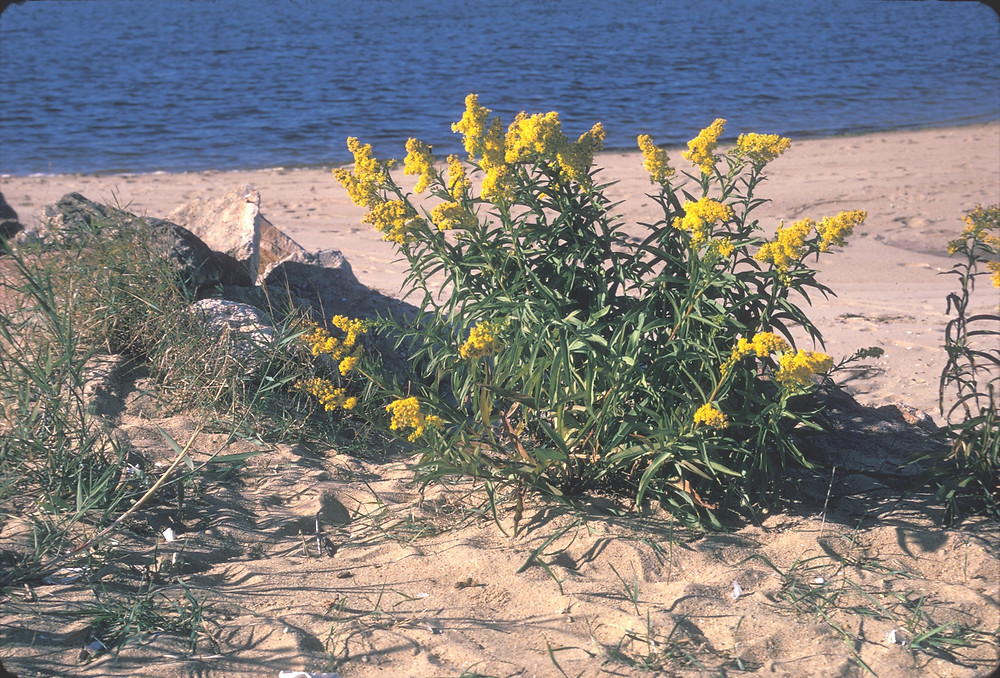
Seaside Goldenrod is one of the toughest and most valuable native plants you can add to a coastal landscape. Naturally found growing in dunes, it’s extremely salt- and drought-tolerant. Depending on soil richness, it can grow anywhere from 2–6 feet tall. Its golden yellow flowers bloom late in the season, providing critical nectar for migrating pollinators when few other plants are in bloom.
At Inland Bays Garden Center, sourcing native plants goes far beyond availability—we focus on performance. Every year, our native plant buying process includes reviewing the latest research from Mt. Cuba Center, one of the leading authorities on native plant trials in the Mid-Atlantic region.
Mt. Cuba Center’s most recent native plant trial, “Solidago for the Mid-Atlantic Region,” is a perfect example. Their multi-year studies evaluate native plants based on bloom time, pollinator performance, disease and fungal resistance, and overall garden success. These 3+ year trials rank more than 70 native plants to help gardeners and professionals choose the highest-performing options.
We use these trials to help guide which goldenrod species—and other native perennials—we offer, ensuring they’ll thrive in Delmarva landscapes and provide real benefits to local ecosystems.
If you’re planning ahead for your native plant garden, we highly recommend exploring Mt. Cuba Center’s research:
👉 https://mtcubacenter.org/trials/solidago/
Planting native is one of the best ways to work with nature—and we’re here to help every step of the way. Stop by Inland Bays Garden Center to learn more about these plants and find the right natives for your landscape. 🌿