

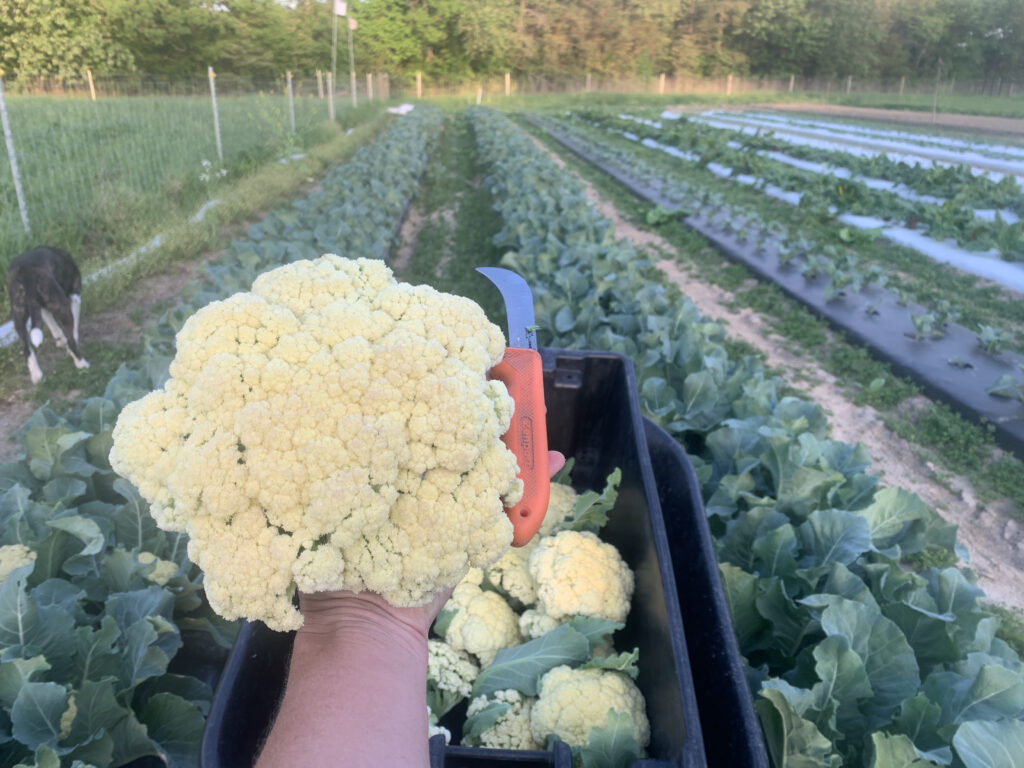
Support Local, Eat Seasonal: Meet Dittmar Family Farms
Support Local, Eat Seasonal: Meet Dittmar Family Farms At Inland Bays Garden Center, we’re always looking for ways to support our local community and help
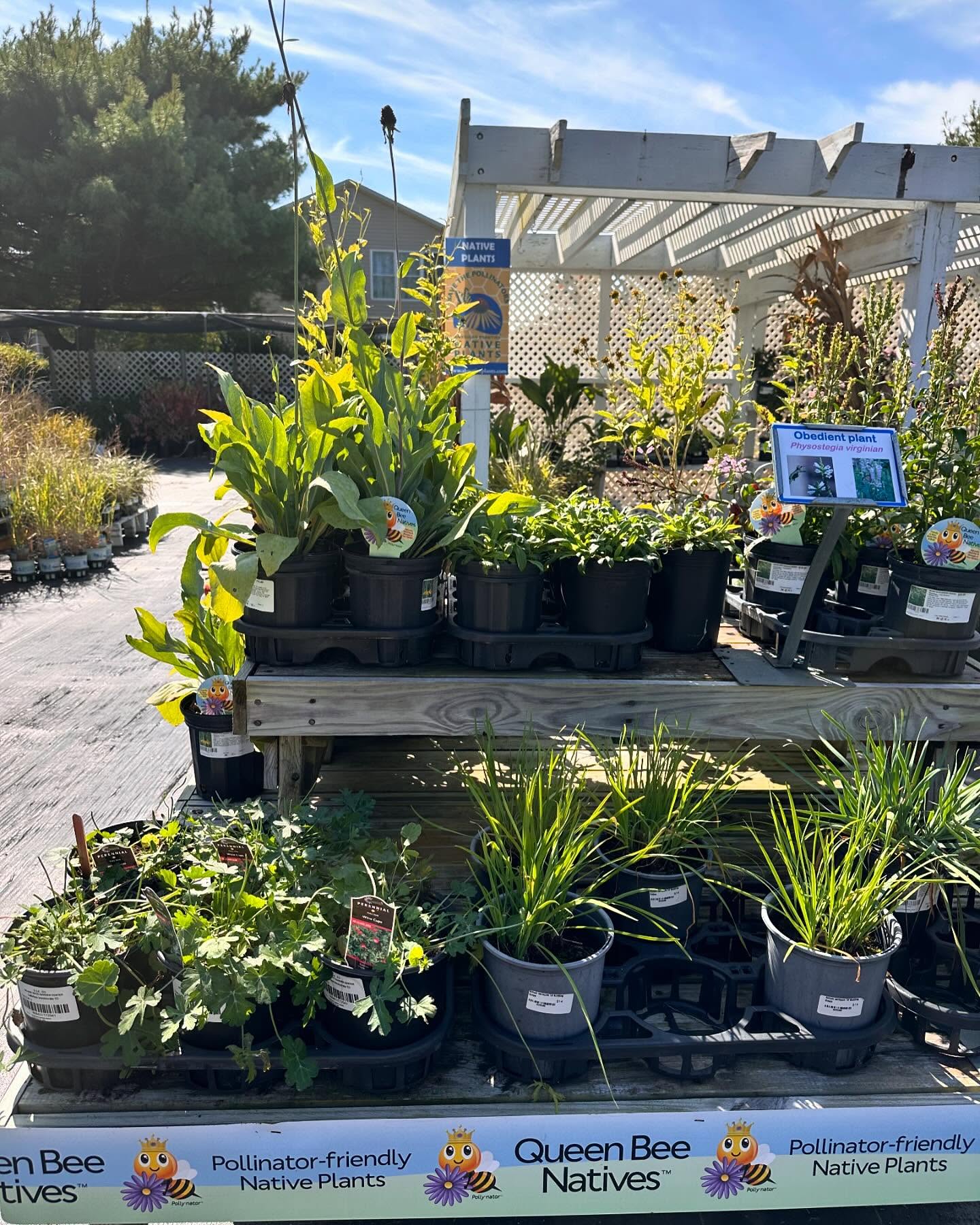
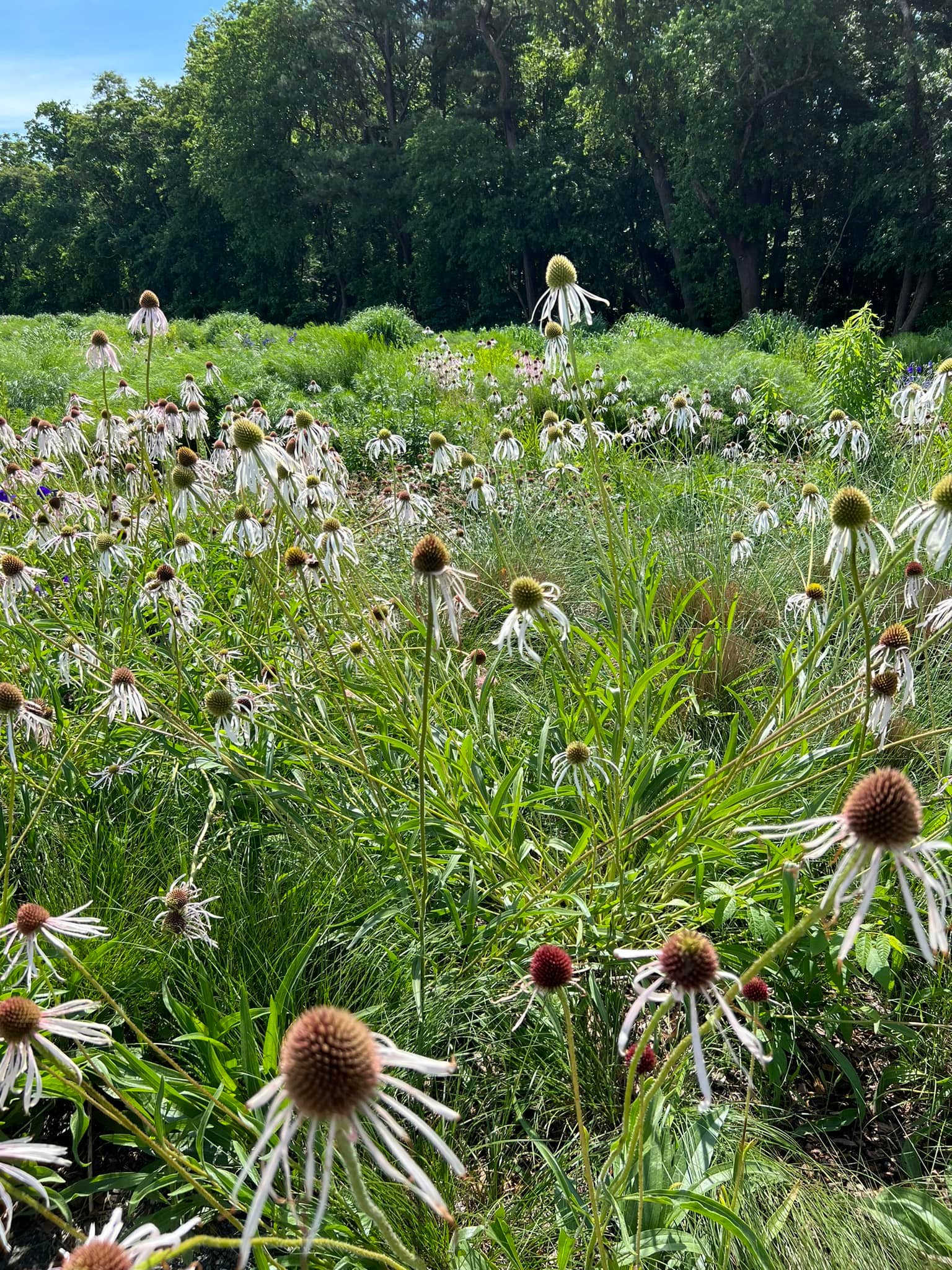
Native plants are more than an attractive landscaping option. They are the foundation of healthy ecosystems. Because they evolved in harmony with our local climate, soils, and wildlife, they naturally thrive with minimal care.
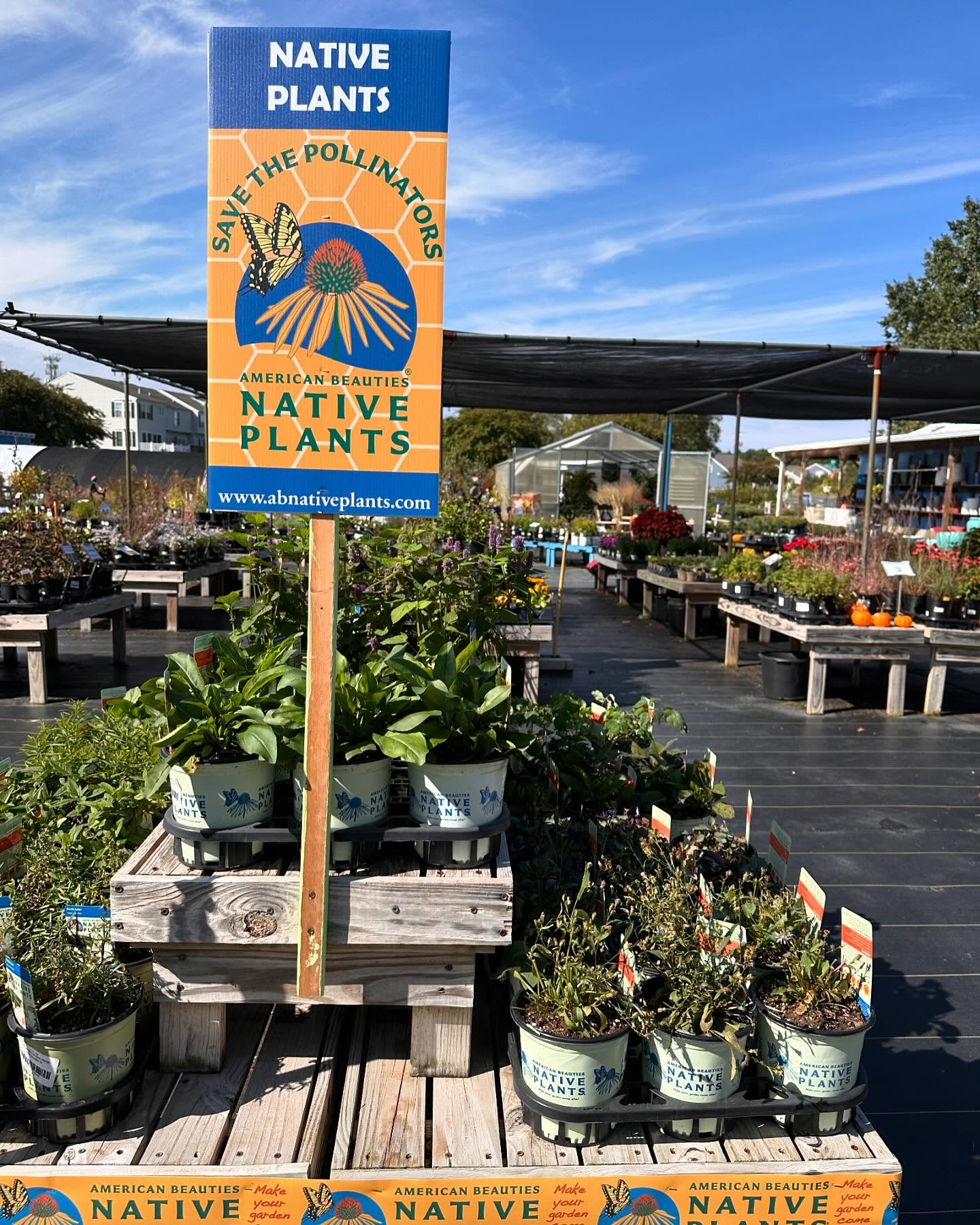
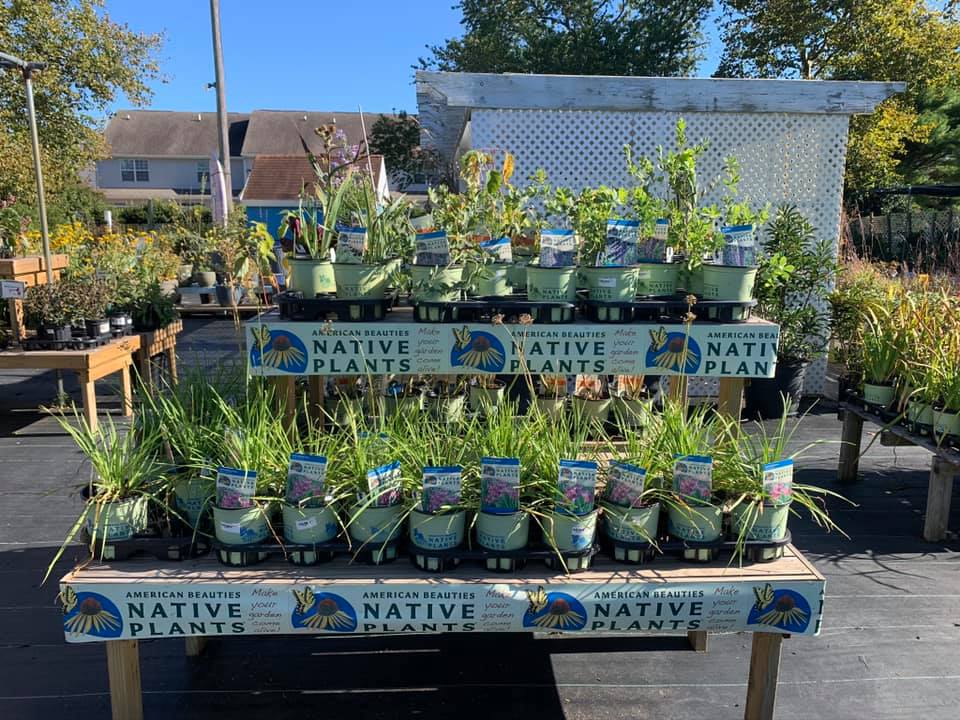
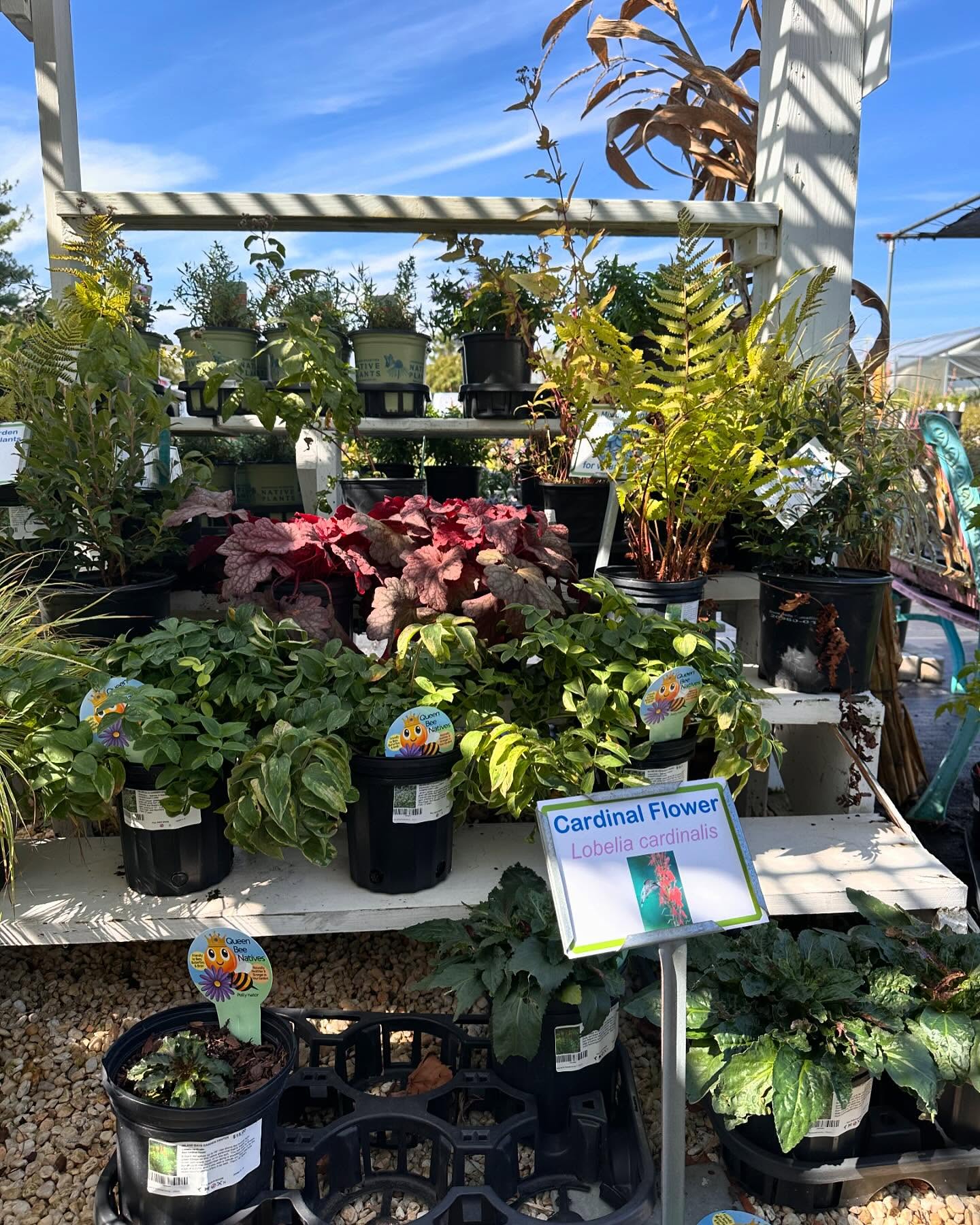
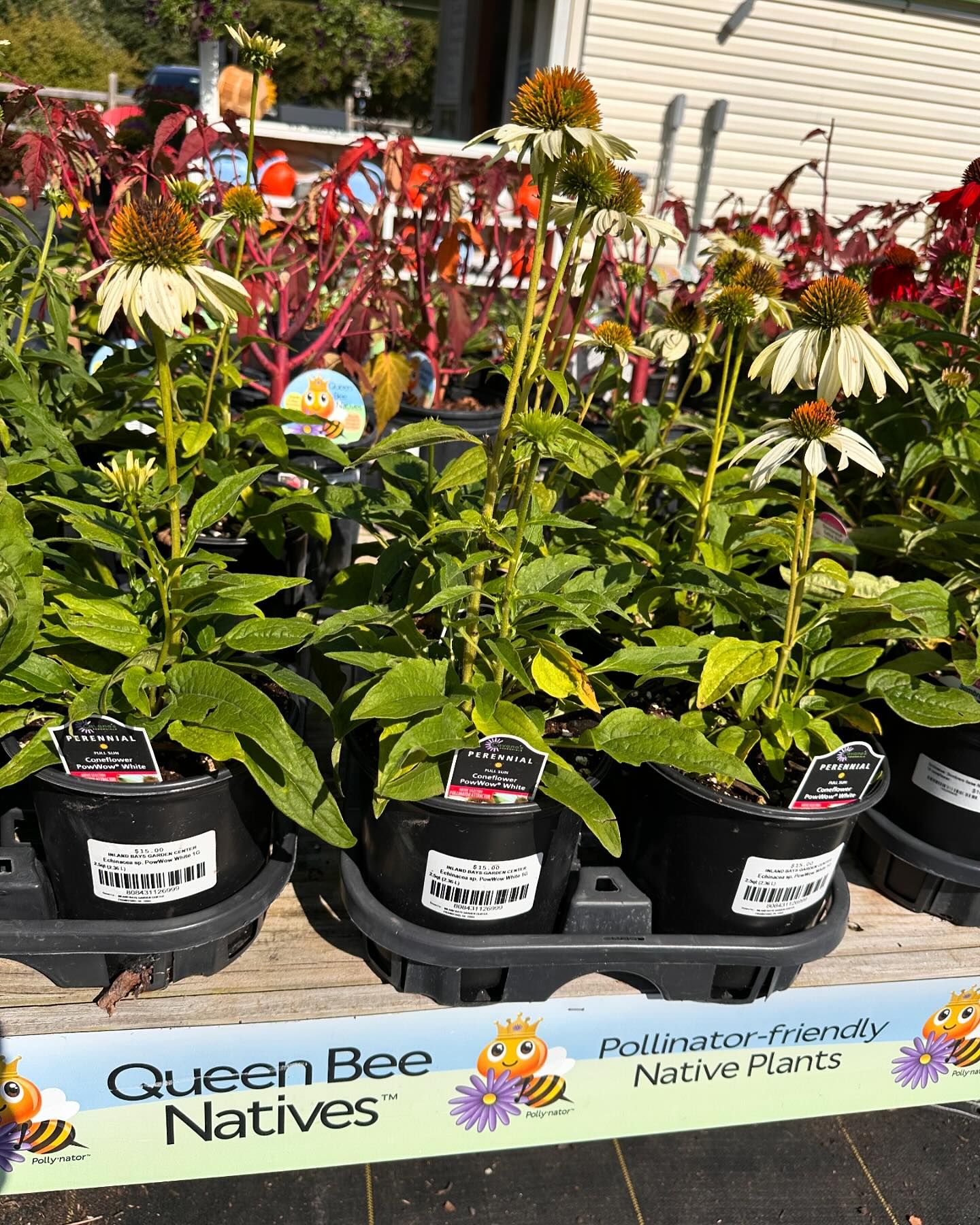
At Inland Bays Garden Center, we offer over 100 species of native perennials, shrubs, grasses, and trees. Whether you are planning a small pollinator bed or a full landscape, we are here to help you create a thriving and sustainable outdoor space.
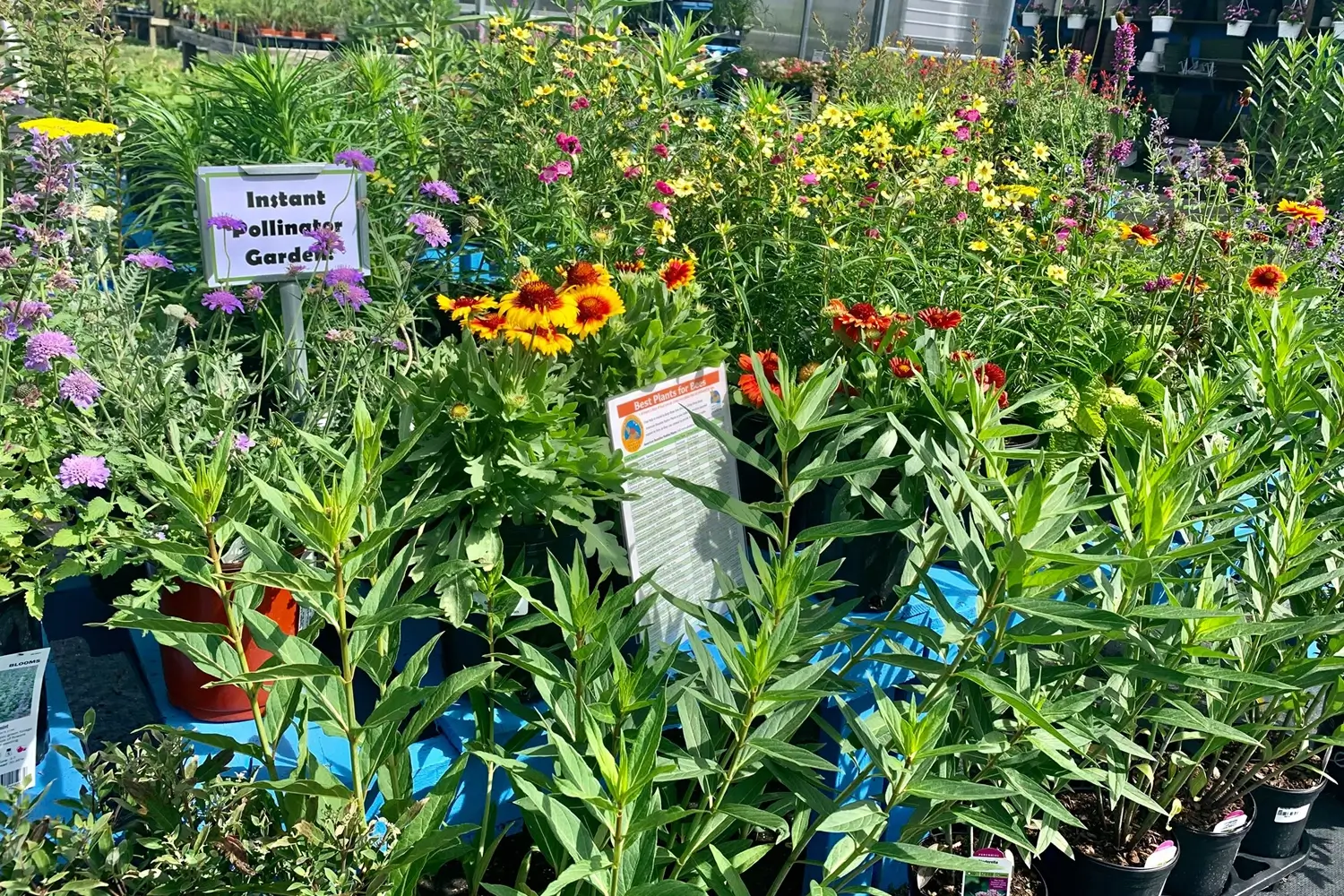
Native plants are adapted to our local rainfall, temperatures, and soils. They support birds, butterflies, and beneficial insects while reducing the need for extra water and chemicals. Here are some of the key reasons we recommend gardening with natives.
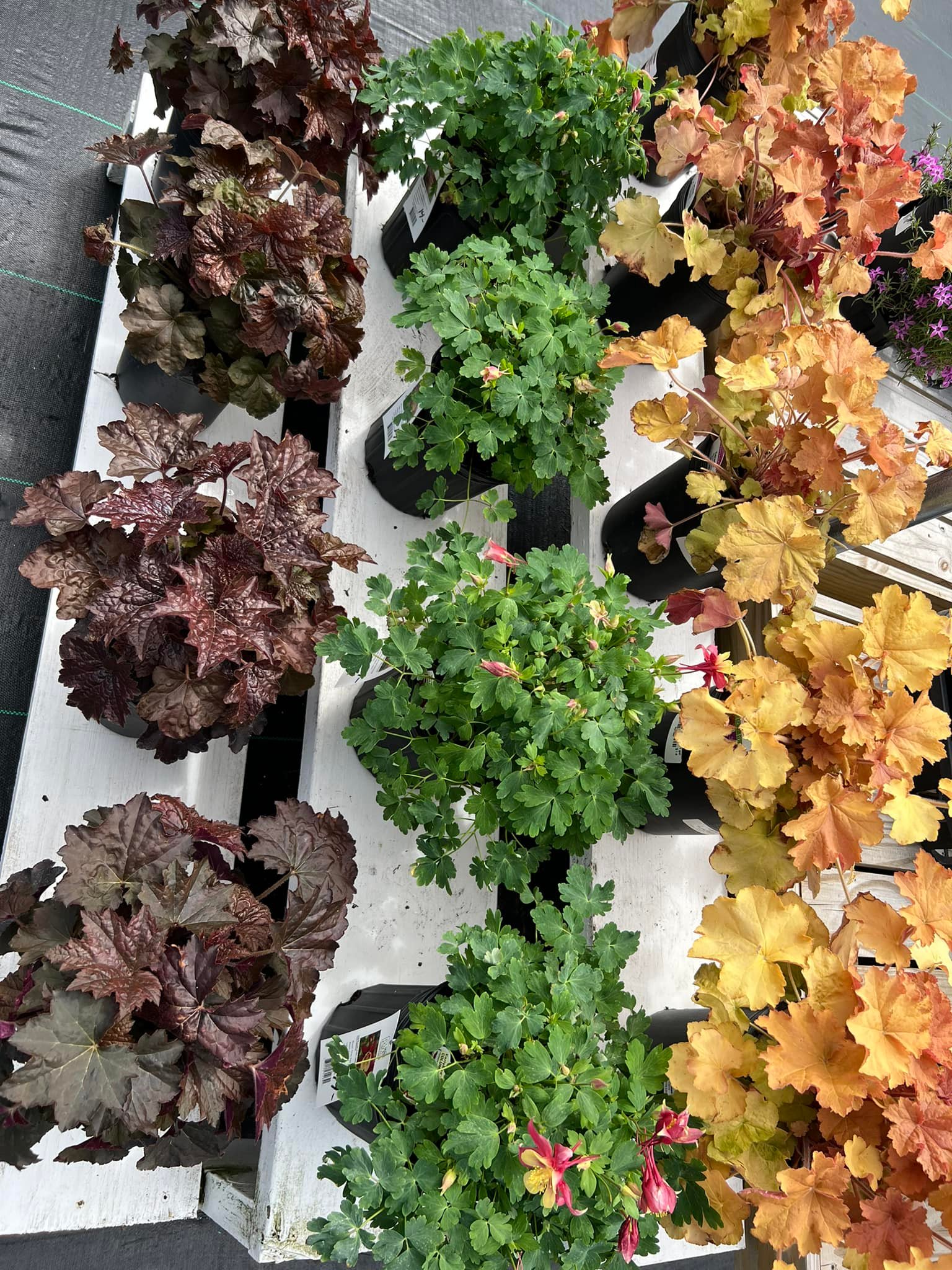
We grow and carry more than 100 species of native perennials, grasses, shrubs, and trees suited to our local conditions. Our team can help you match plants to your site, including sun and shade gardens, rain gardens, hedgerows, and shoreline plantings.
Create a garden that is beautiful, low maintenance, and ecologically rich. When you plant natives, you are making a difference for birds, pollinators, and the health of our inland bays.
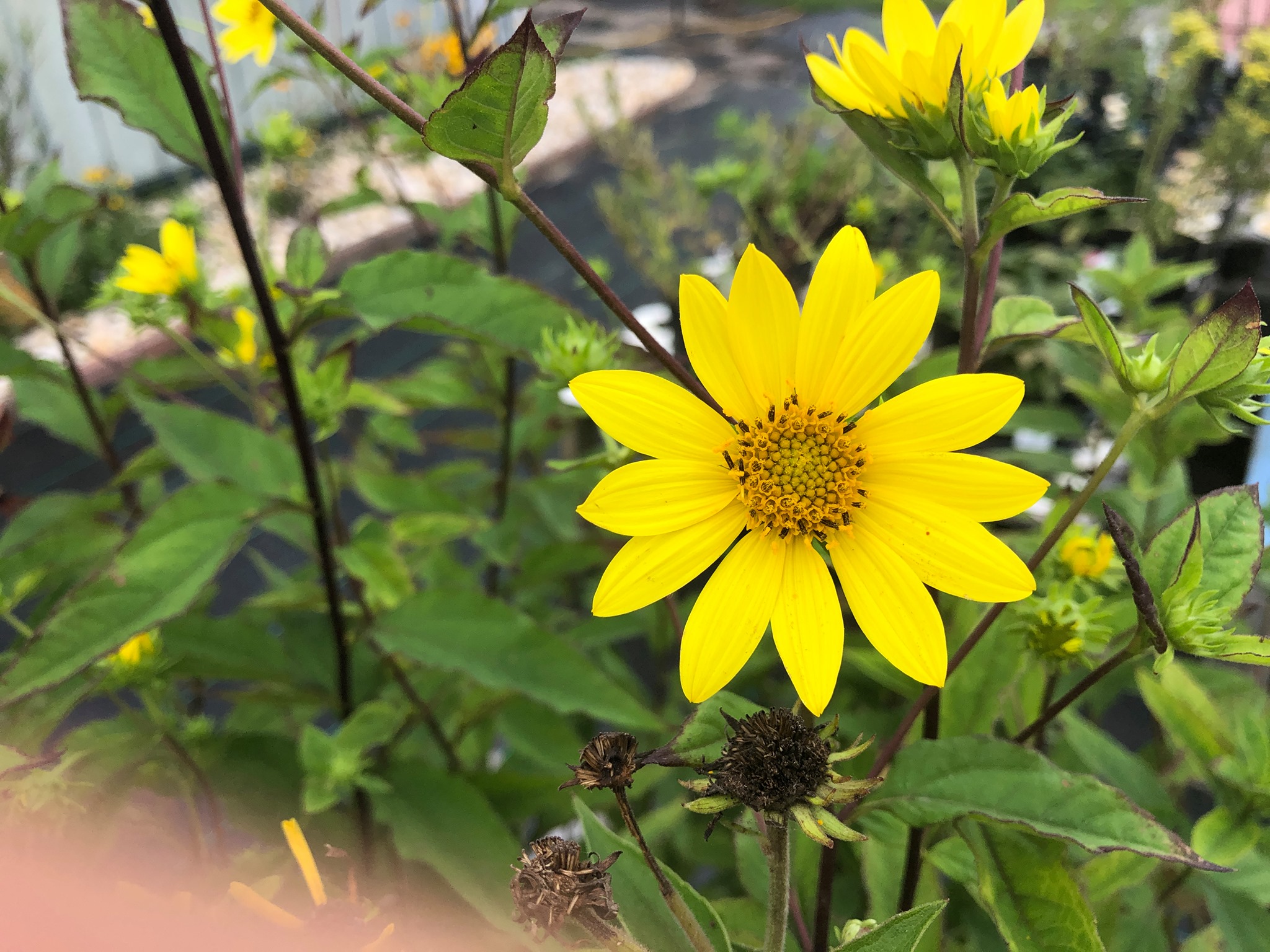
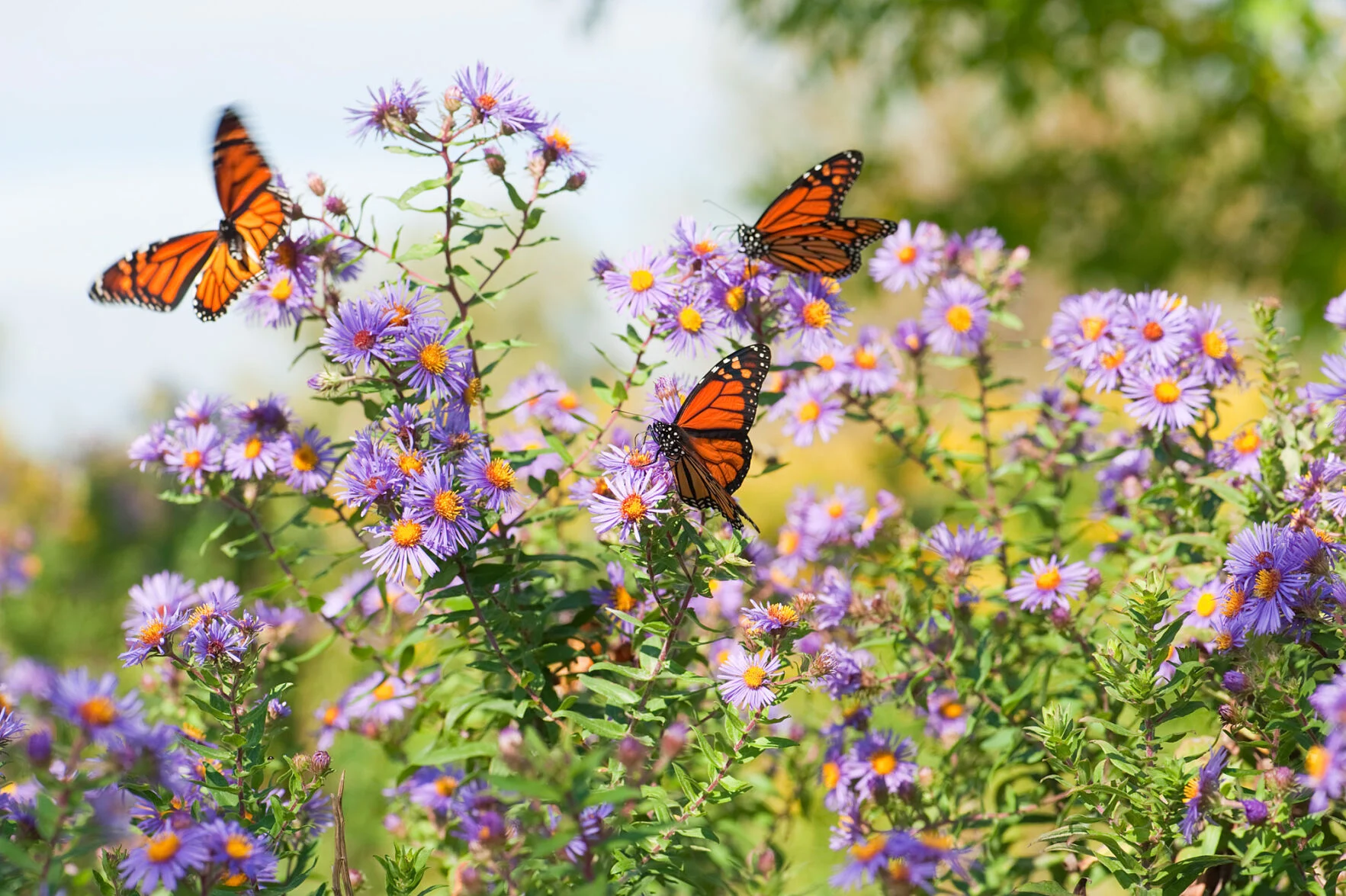

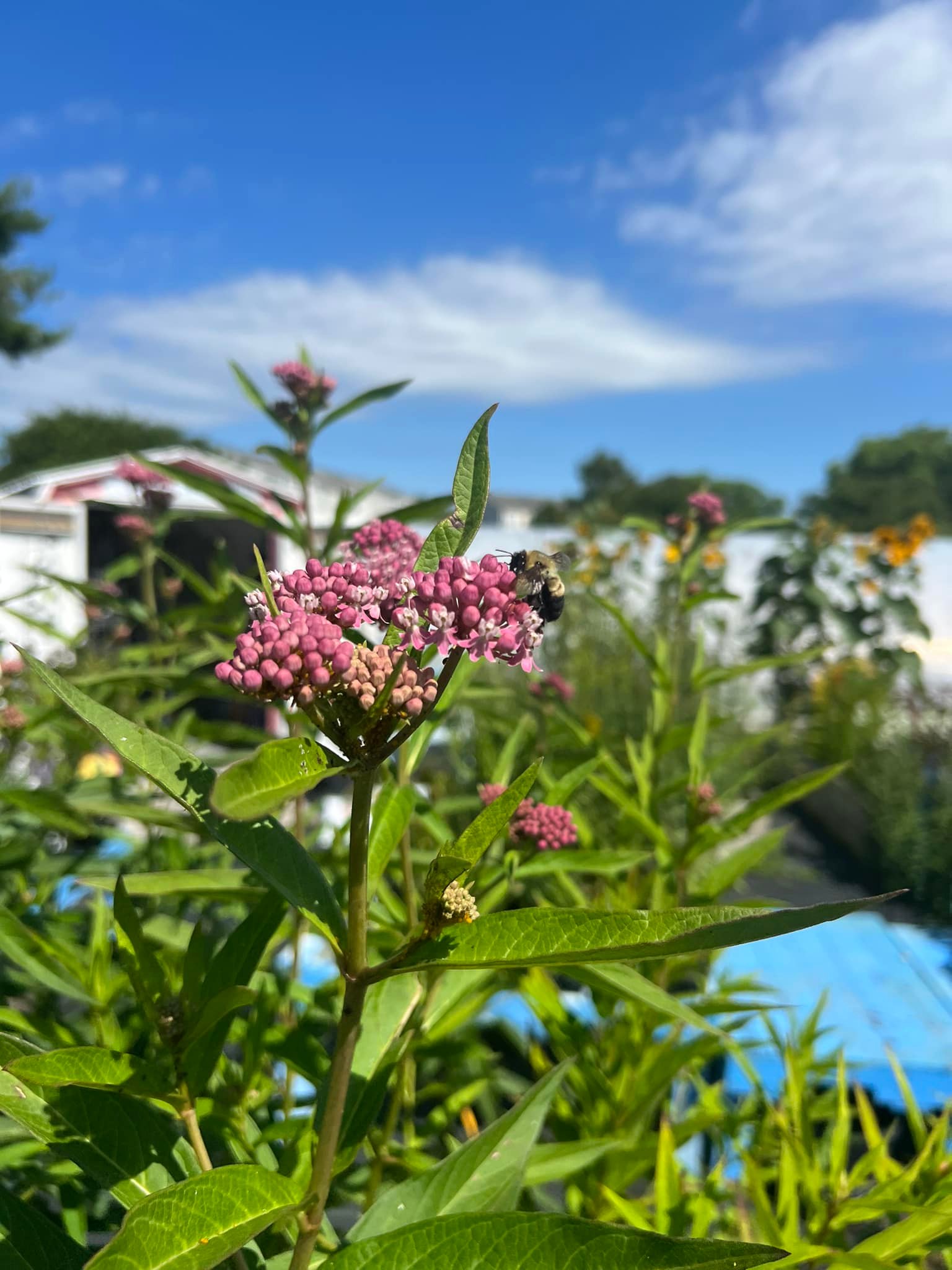
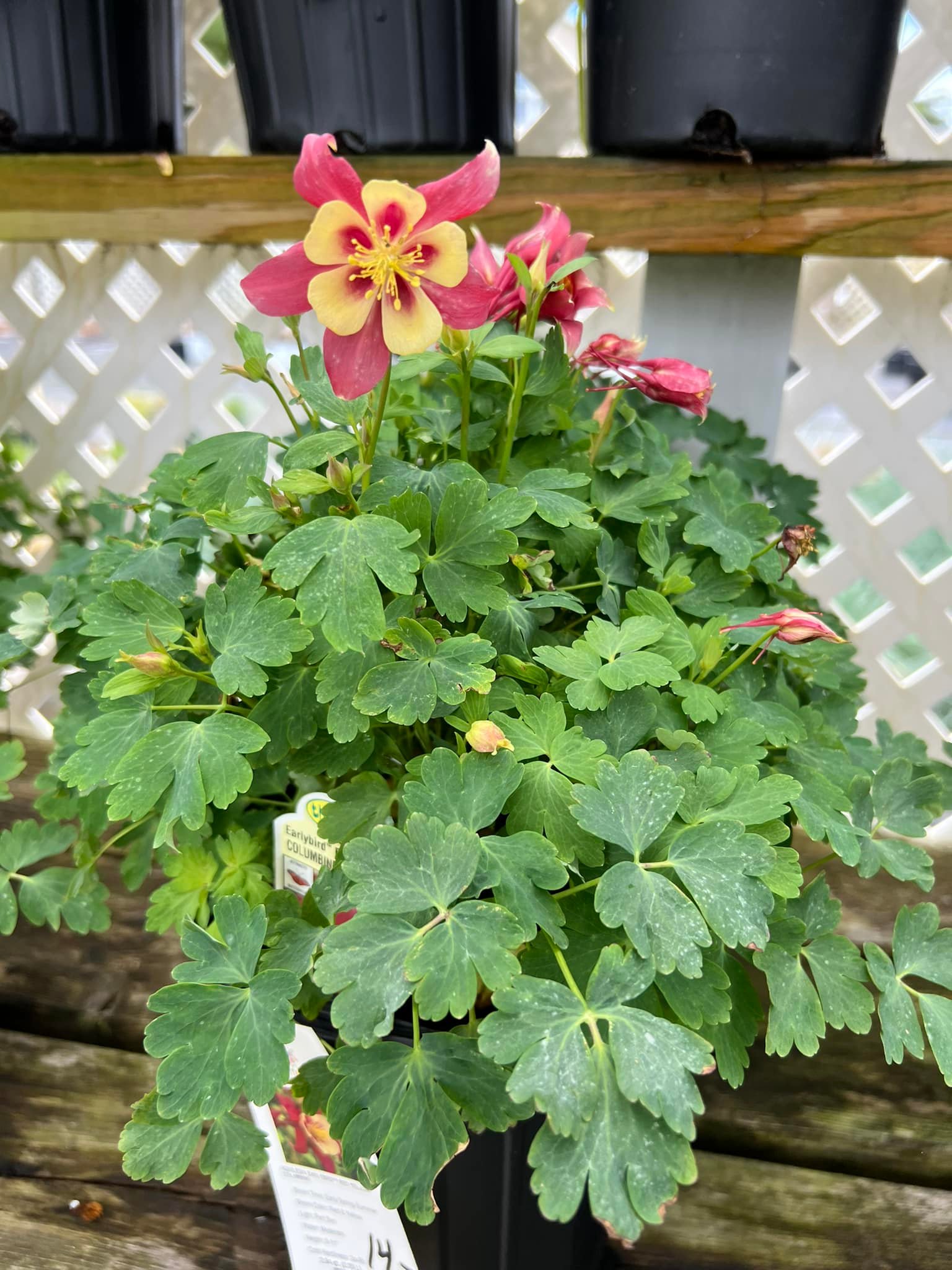
These are some of the most common questions we hear about gardening with native plants. If you are not sure where to start, our staff is happy to walk the nursery with you and suggest plants for your specific site.
Native plants are species that evolved naturally in a specific region. They support local wildlife, require fewer resources, and help maintain ecological balance. Because they are adapted to local soils and climate, they are more likely to thrive with less intervention.
Yes. Native plants usually need less watering, fertilizing, and pest control than non native ornamentals. They still need care while they establish, but once their roots are set, they are generally easier to maintain.
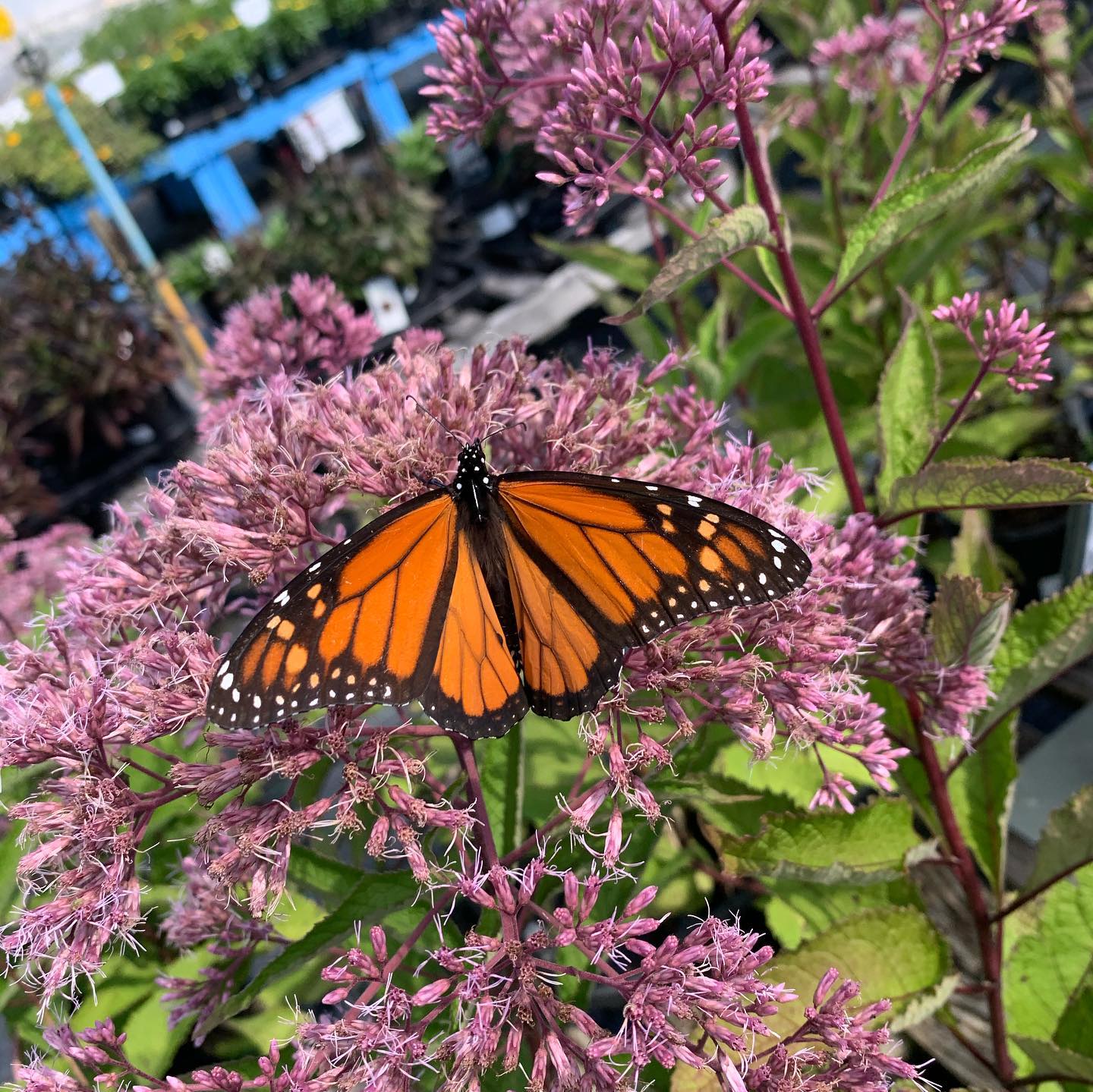
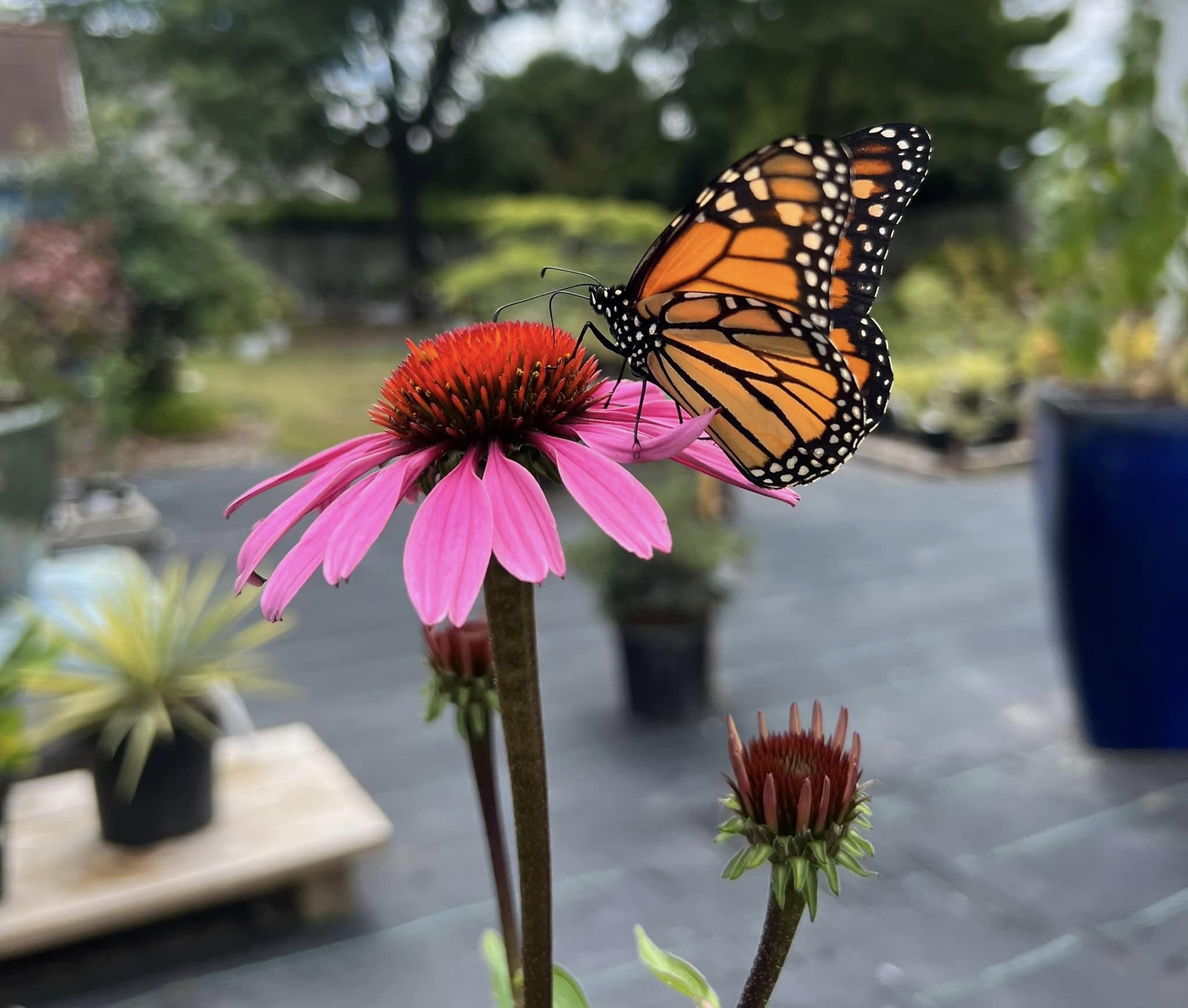
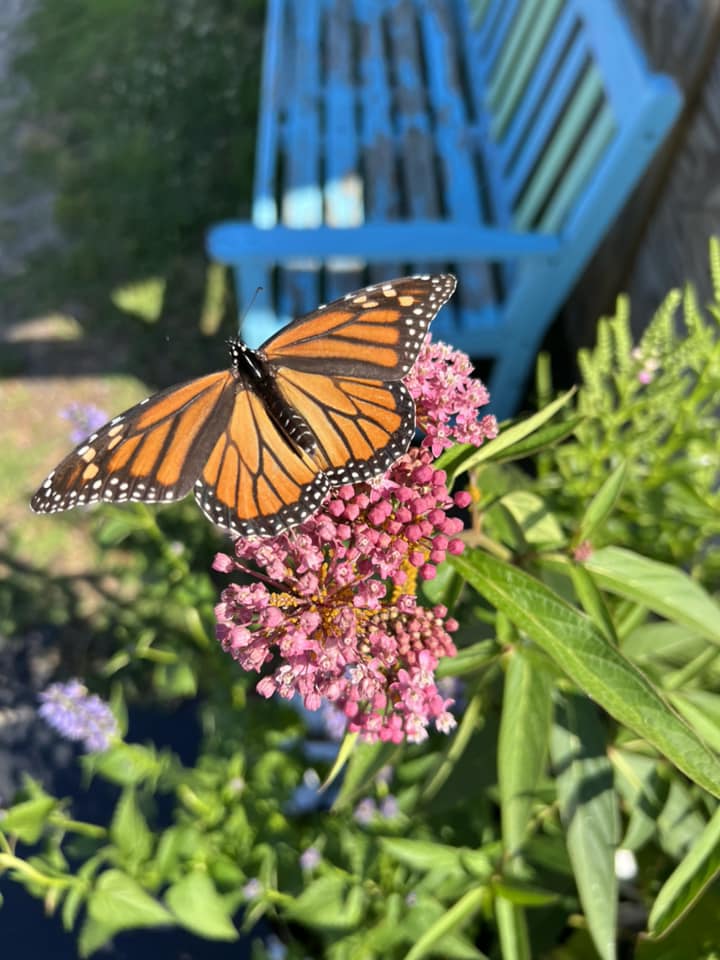
Absolutely. Native plants are the preferred food sources for local bees, butterflies, hummingbirds, and other pollinators. Many species rely on specific native plants to complete their life cycles.
Yes. For the greatest ecological benefit, use native plants as the foundation of your design and mix in non native plants as accents. Avoid any plants labeled invasive, as they can spread and displace native habitats.
During the first growing season, water regularly so plants can establish strong root systems. After that, most natives require far less water than non native plants and typically only need extra water during extended drought.
Native plants are adapted to local temperature swings, storms, and seasonal changes. While no plant can handle every condition, natives are generally more resilient to heat, cold, wind, and flooding than many traditional ornamentals.
Inland Bays Garden Center offers one of the largest selections of native plants in the region. Visit us to explore our native inventory, ask questions, and get help selecting plants for your property and goals.
Start by looking at your site: sun or shade, soil type, drainage, and available space. From there, choose native plants that match your conditions. Our team can help you plan pollinator beds, rain gardens, hedgerows, shoreline buffers, and more.
Support Local, Eat Seasonal: Meet Dittmar Family Farms At Inland Bays Garden Center, we’re always looking for ways to support our local community and help
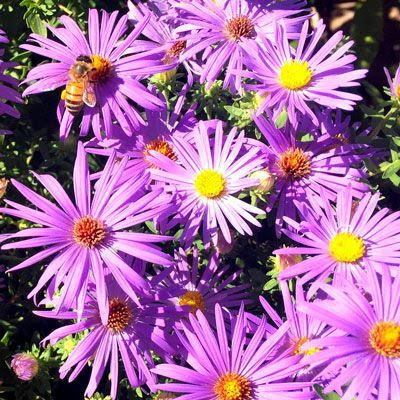
Roots Before Winter: Native Perennials to Plant Now When the weather cools and summer flowers fade, many gardeners pack up their tools and think
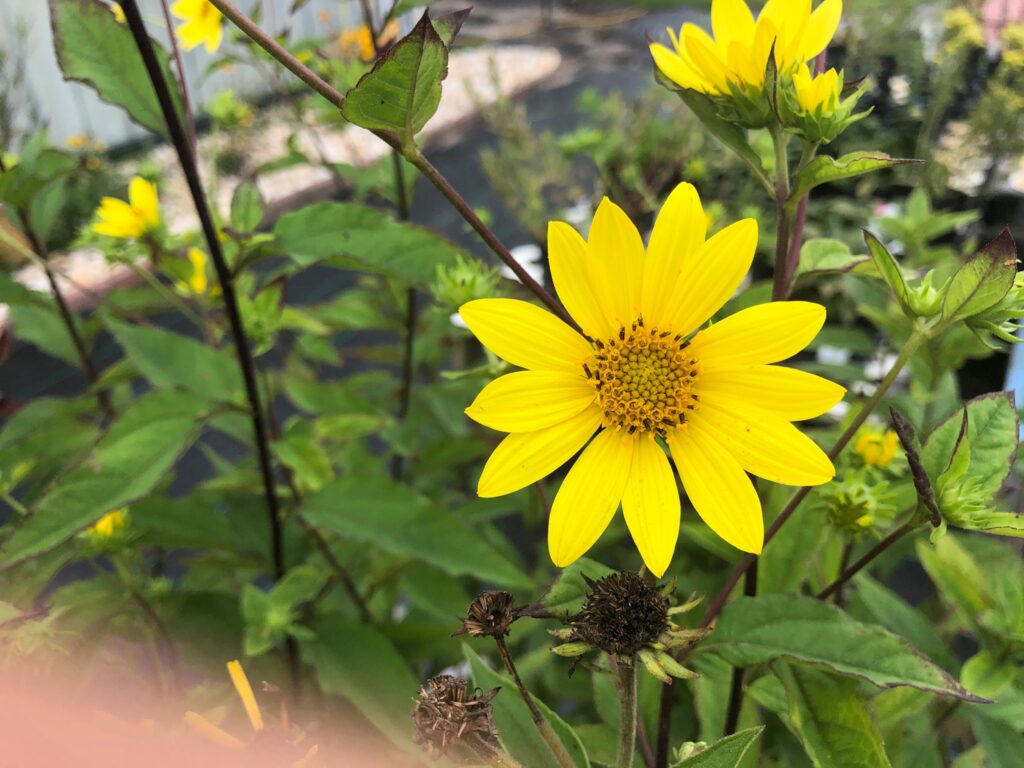
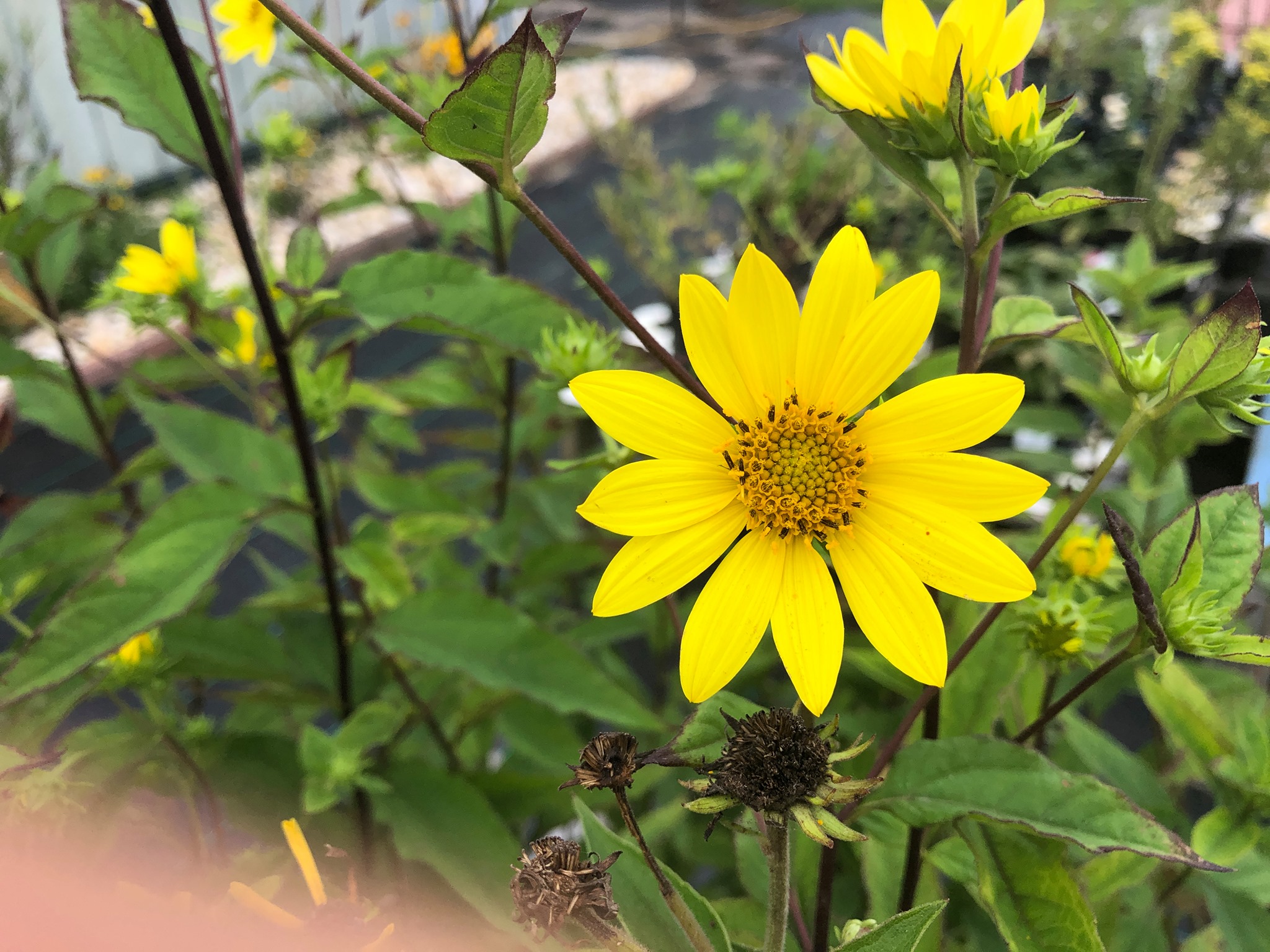
“From Frustration to Fascination: A Sunflower Story” One sunny afternoon, a woman strolled into Inland Bays Garden Center with a curious expression and a flower
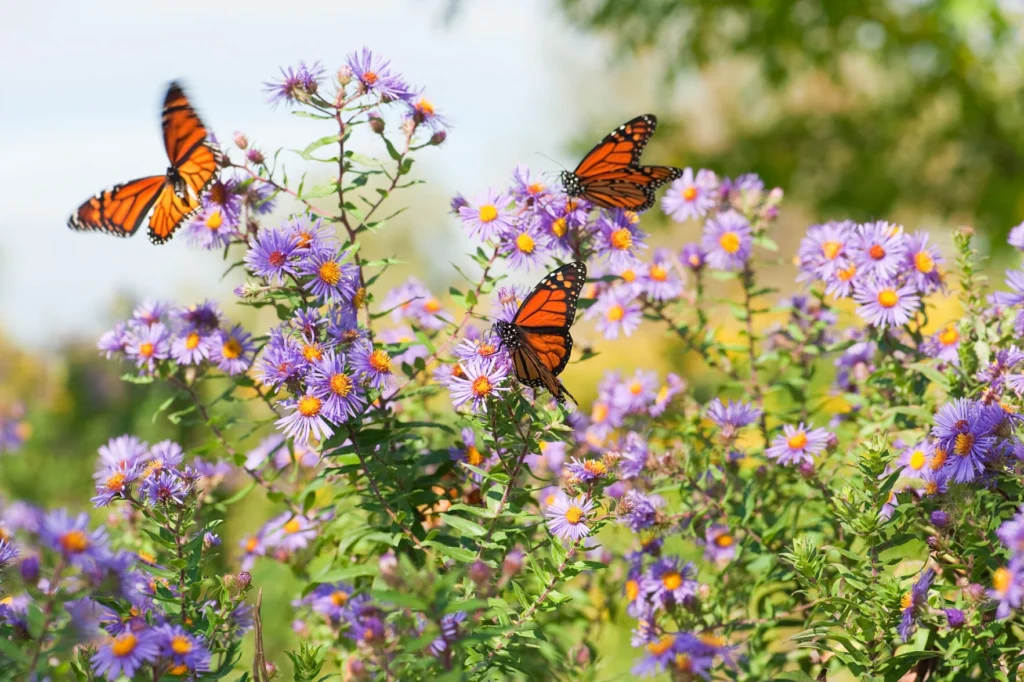
– Su Fiske, published in the Coastal Point. Food for monarchs (butterflies need to eat, too) We all know that it is important to have